
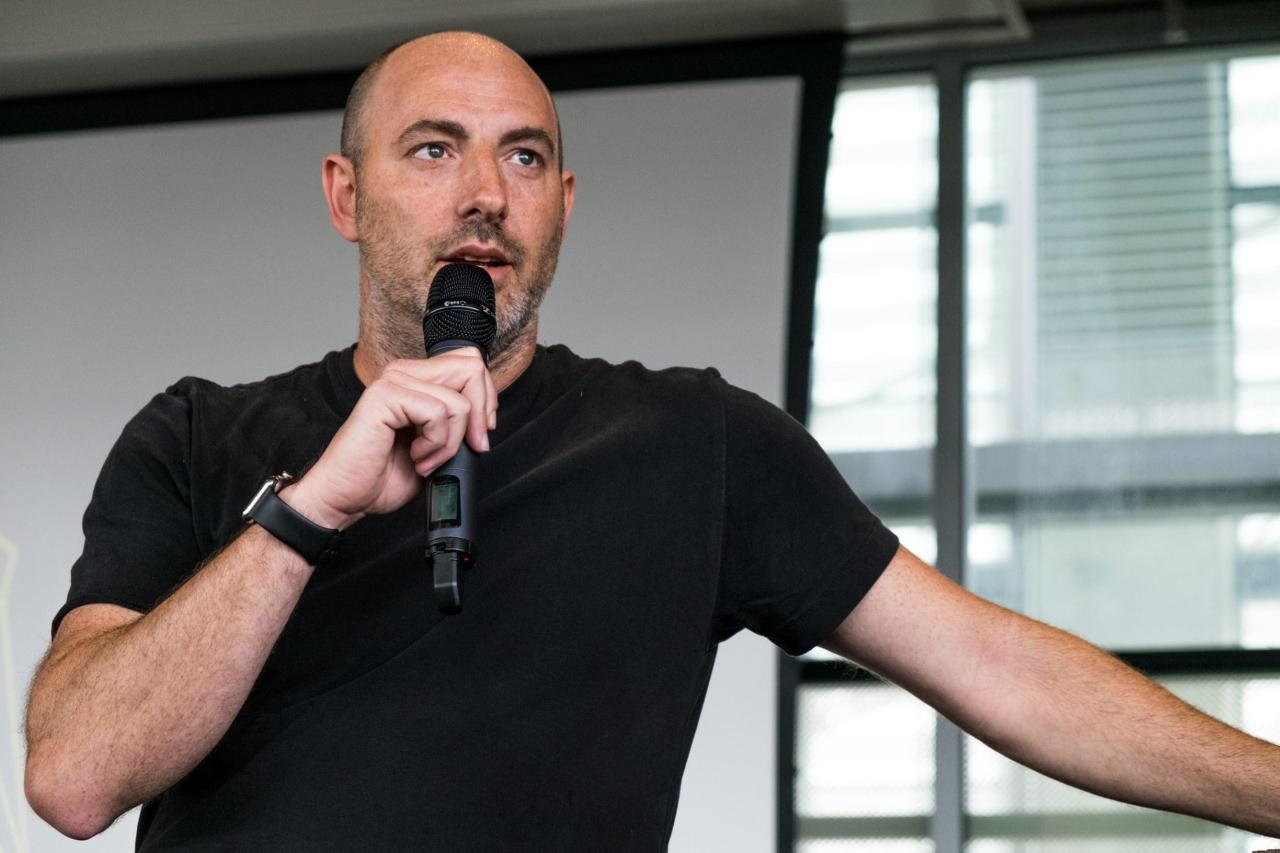
Insights from my conversation with Ryan Berman on the Surfacing Leaders podcast
Key Topics: Courageous Leadership • Change Leadership • Decision Velocity • Organizational Culture • Innovation • Fast Attack Leadership™
Leadership has never been easy.
Today, it’s even harder.
Markets change faster. Technology evolves daily. Teams are expected to innovate while navigating uncertainty. Yet when organizations face change, most don’t fail because they lack talent—they fail because they hesitate.
That was the focus of my recent conversation with Ryan Berman on the Surfacing Leaders podcast.
Ryan has spent years studying what makes individuals and organizations courageous. His research led to a simple but powerful observation:
When faced with meaningful change, about 95% of people freeze. The other 5% choose to move.
As I listened to Ryan, I couldn’t help but connect his work to what I’ve seen throughout my own career.
Whether aboard a nuclear submarine or coaching executive teams today, the organizations that outperform everyone else aren’t fearless.
They’re prepared to act before everyone else does.
Listen to the Conversation
What Is Courageous Leadership?
Courageous leadership is the ability to make principled decisions and take meaningful action despite uncertainty, discomfort, or the possibility of failure.
Courage isn’t recklessness.
It isn’t acting without information.
It’s recognizing that waiting for perfect certainty often becomes the greatest risk of all.
The best leaders don’t eliminate fear.
They create enough clarity, trust, and confidence that people are willing to move anyway.
Why Courage Matters More Than Ever
Organizations today face more uncertainty than ever before.
Markets shift.
Artificial intelligence is transforming industries.
Customer expectations evolve constantly.
The organizations that succeed won’t necessarily be the smartest.
They’ll be the ones willing to make thoughtful decisions while others continue waiting.
Ryan’s research reinforced something I’ve believed for years:
Leadership isn’t about predicting the future.
It’s about having the courage to move toward it.
Five Principles Every Leader Should Practice
1. Courage Is a Skill, Not a Personality Trait
One of my favorite moments in our conversation came when Ryan explained that courage isn’t something you’re born with.
It’s something you practice.
Every difficult conversation.
Every calculated risk.
Every uncomfortable decision.
Leaders who consistently choose action build organizations that become more confident over time.
Like trust, courage compounds.
2. Knowledge Without Action Changes Nothing
Ryan shared a framework that immediately resonated with me:
Knowledge + Faith + Action.
Organizations collect enormous amounts of information.
Many even believe they know the right direction.
But nothing changes until someone acts.
I’ve watched organizations delay important decisions while searching for perfect information.
Meanwhile, more agile competitors are already learning by doing.
Action creates momentum.
Momentum creates confidence.
3. Courage Is Built Through Clarity
People hesitate when they don’t understand the mission.
One principle I’ve repeated throughout my career is simple:
Clarity creates alignment. Alignment creates speed.
The clearer people understand the mission, the more confidently they make decisions.
Many organizations think they have a courage problem.
Often, they actually have a clarity problem.
4. Courage Grows When Leaders Empower Others
One person can’t create a courageous organization.
Culture does.
That’s why Fast Attack Leadership™ focuses on developing leaders at every level.
When people understand the mission, trust one another, and know they’re empowered to act, courage becomes contagious.
Organizations stop waiting.
They start moving.
5. Extraordinary Leadership Is Built Through Ordinary Decisions
Ryan shared an observation I won’t soon forget.
He broke down the word extraordinary into two words:
Extra + Ordinary.
Leadership isn’t built in one defining moment.
It’s built through ordinary decisions repeated consistently over time.
One courageous conversation.
One difficult decision.
One promise kept.
One thoughtful risk.
Those moments become extraordinary because of their consistency.
How Fast Attack Leadership™ Develops Courage
Everything Ryan described aligns with what we’ve seen implementing Fast Attack Leadership™ inside organizations.
Courage isn’t about motivational speeches.
It’s about creating systems where people understand the mission, have the authority to make decisions, and trust their leaders enough to act.
Organizations that push decision-making closer to the information become faster.
More innovative.
More adaptable.
More resilient.
That’s what courageous leadership looks like in practice.
Questions Every Executive Team Should Ask
- Where is fear slowing important decisions?
- Are we waiting for certainty before acting?
- What courageous conversation are we avoiding?
- Do our people understand the mission well enough to make independent decisions?
- Have we created a culture where thoughtful risk-taking is encouraged?
Frequently Asked Questions
What is courageous leadership?
Courageous leadership is the ability to make thoughtful decisions and take meaningful action despite uncertainty or fear of failure.
Can organizations become more courageous?
Yes. Courage grows when leaders build trust, create clarity, empower decision-making, and reward thoughtful action instead of perfection.
What’s the difference between courage and recklessness?
Courage involves informed action aligned with purpose. Recklessness ignores consequences or unnecessary risk.
Why do organizations struggle with change?
Many organizations hesitate because people fear failure, lack clarity, or don’t feel empowered to act.
How does Fast Attack Leadership™ help leaders become more courageous?
Fast Attack Leadership™ creates clarity around the mission, builds trust, and pushes decision-making to the people closest to the information, enabling organizations to move with confidence instead of hesitation.
Marc’s Final Thoughts
One of the things I appreciated most about my conversation with Ryan is that it reinforced something I’ve witnessed repeatedly throughout my career.
Courage isn’t reserved for extraordinary people.
It’s developed through ordinary choices.
I’ve watched young sailors make remarkable decisions because they understood the mission and knew their leaders trusted them.
I’ve also seen incredibly talented organizations stall because everyone waited for someone else to move first.
The future won’t belong to organizations with the perfect strategy.
It will belong to organizations willing to learn, adapt, and move.
Courage isn’t about eliminating uncertainty.
It’s about leading through it.
That’s exactly what Fast Attack Leadership™ helps organizations do.
About Ryan Berman
Ryan Berman is an expert on courageous leadership, organizational change, and innovation. Through his research, consulting, and speaking, he helps organizations understand how courage drives decision-making, culture, and business performance. In this episode of Surfacing Leaders, we explored why courage has become one of the defining leadership competencies of today’s business environment.
Build a More Courageous Organization
Organizations don’t become courageous by accident.
They become courageous because leaders intentionally build trust, create clarity, and empower people to act.
If you’re ready to strengthen leadership across your organization, increase decision velocity, and create a culture where people move with confidence instead of hesitation, let’s start the conversation.
Explore Fast Attack Leadership™ or book Marc Koehler for your next keynote or leadership event.